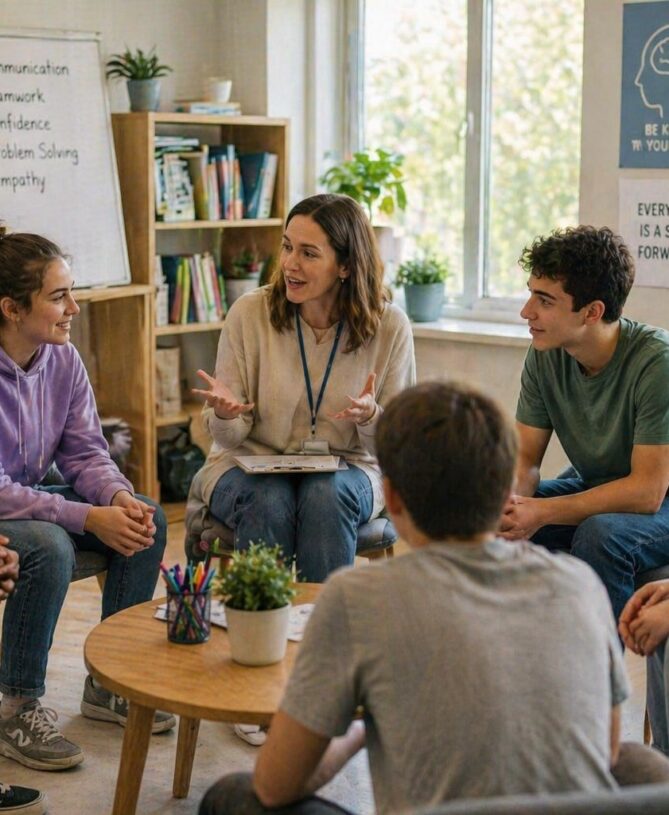
young adult supportive conversation indoors

The Lions Campus Approach


Aggressive Behaviour

Aggressive behaviour can make daily life difficult for both your child and your family. At Lions Campus, we help young people recognise their emotions, manage anger, and develop healthier ways of responding.

Our Aggressive Behaviour Support programme helps your child build confidence, improve communication, and foster calmer, more positive interactions at home, school, and with friends.

Lions Campus

What is Aggressive Behaviour?


Aggressive behaviour refers to actions or responses that are intended to cause harm, express anger, or dominate others. This can include verbal outbursts, physical aggression, or other disruptive behaviours. In children and adolescents, aggressive behaviour often shows up as hitting, yelling, defiance, or bullying, and it can interfere with learning, friendships, and family life.

Aggression can be a response to frustration, stress, or feeling misunderstood. Some children may struggle to manage strong emotions, leading to repeated aggressive reactions. It can also be influenced by underlying factors such as anxiety, depression, trauma, or difficulties in social skills. Recognising these triggers early is key to supporting healthy emotional development.

Left unaddressed, aggressive behaviour can affect a child’s social relationships and self-esteem. It may also lead to conflicts at home, school, or in peer groups. With the right guidance and support, children can learn to manage anger, express themselves positively, and develop more constructive ways to interact with others.


Arrange A Call

What Are the Signs of Aggression?

Aggression can appear in different ways for each child, but there are common signs that may indicate a need for professional support and guidance. Recognising these signs early can help address underlying causes and guide children toward healthier ways of managing emotions.

  • Psychological signs may include:
    young man thoughtful phone conversation
    • Frequent anger, irritability, or frustration over small issues
    • Difficulty controlling impulses or reacting calmly in stressful situations
    • Persistent negative thoughts about themselves or others
    • Low frustration tolerance and intolerance of criticism
    • Feelings of resentment, hostility, or being misunderstood
  • Physical signs may include:
    Woman focused writing notebook
    • Clenched fists, tense posture, or other signs of bodily tension
    • Frequent restlessness or inability to sit still
    • Sleep disturbances such as trouble falling asleep or staying asleep
    • Headaches, stomach aches, or other stress-related physical symptoms
  • Behavioural signs may include:
    young woman peaceful journaling moment
    • Yelling, shouting, or verbal outbursts at home, school, or with peers
    • Hitting, pushing, or other forms of physical aggression
    • Bullying or intimidating others
    • Refusal to follow rules or defying authority figures
    • Withdrawing from social situations after conflicts or arguments

For children and adolescents, aggression can affect school performance, friendships, and family relationships. Early support and guidance can help them manage anger, communicate better, and build healthier relationships at home, school, and beyond.

family consultation with support professional
mentor guiding young adult conversation

Lions Campus

Characteristics of Aggressive Behaviour

Aggressive behaviour can appear in many ways, and recognising the signs early can help young people get the support they need. At Lions Campus, we focus on understanding these characteristics so that children and adolescents can learn to manage their emotions effectively.

  • Emotional Characteristics: Aggression is often linked to strong emotions like anger, frustration, or irritability. Young people may feel easily provoked, have frequent mood swings, or display intense reactions that seem out of proportion to the situation.
  • Behavioural Characteristics: Behavioural signs include hitting, shouting, or verbal threats. It can also appear as bullying, refusing to follow instructions, or deliberately upsetting others. Some young people may act out in subtle ways, such as passive-aggression or social exclusion.
  • Cognitive Characteristics: Aggressive behaviour is often influenced by thoughts and beliefs. Young people may interpret situations as threatening or unfair, struggle to see other perspectives, or feel justified in using aggression to get what they want.
  • Social Characteristics: Aggression can affect relationships with family, friends, and peers. It may lead to conflicts at home, trouble at school, and difficulty making or keeping friends. Social withdrawal or tension in group settings is also common.

Understanding these characteristics helps in developing effective strategies for managing aggressive behaviour. With the right guidance, young people can learn healthier ways to express their emotions, build stronger relationships, and navigate daily life more positively.

How We Support Aggressive Behaviour

At Lions Campus, we understand that aggressive behaviour can be challenging for both young people and their families. Our Aggressive Behaviour Support programme is designed to provide personalised support, helping children and adolescents learn healthier ways to manage their emotions and respond to difficult situations.

We begin with a consultation to understand the factors influencing behaviour, such as stress, communication challenges, or emotional responses. By addressing the root causes, we help young people through our structured programme that includes guidance, routines, and practical strategies to support positive change.

Calm indoor yoga meditation
Calm meditation at home

Our Approach


Treating Mind, Body, and Soul

At Lions Campus, we believe supporting behaviour involves looking at the whole person: mind, body, and emotional well-being. Our approach focuses on understanding the personal triggers, experiences, and emotions that contribute to aggressive actions, helping young people build awareness and self-control.

We use structured support, guidance, and wellbeing-focused approaches to help young people manage strong emotions in healthier ways. By focusing on their overall well-being, we guide them to build coping skills, improve relationships, and develop a stronger sense of confidence and resilience that lasts over time.

Teen group discussion session
Teen support session

Our Team


Supportive Team for Your Child

At Lions Campus, a dedicated team supports your child at every step. Our team includes programme specialists, wellbeing specialists, educators, and mentors, working together to support different areas of your child’s development. We help young people feel understood, more settled, and supported throughout their time with us.

We provide live-in support staff, offering reassurance and guidance throughout the day. We also work alongside external registered specialists where appropriate, ensuring each programme is shaped around your child’s individual needs.

Through consistent guidance and encouragement, we help young people manage behaviour, build confidence, and develop healthier ways of responding in relationships at home, school, and with friends.

family consultation with support adviser
young adult mentoring support session

Lions Campus


Personalised Aggressive Behaviour Support Programmes

We know that every young person’s experience is different. That’s why we offer flexible support programmes designed to meet individual needs and provide the right level of guidance:

  • Residential Programme – A full-time, structured environment with live-in support for children.
  • Day Programme – Daily, structured sessions for those who live at home but need focused guidance to manage emotions and behaviour.
  • Coaching & Mentorship – One-to-one guidance to build confidence, reinforce positive routines, and encourage lasting progress.

Each programme is personalised to your child’s circumstances, helping them build confidence, improve communication, and develop more balanced ways of expressing emotions.

Spotlight on Aggressive Behaviour

Explore insights and resources to better understand aggressive behaviour, its effects on children and adolescents, and the strategies that encourage positive change.

Young adult reading at home

Arrange A Call

talking to young adult

FAQs on Aggressive Behaviour in Teenagers

  • What causes aggressive behaviour in teenagers?

    Aggressive behaviour can be influenced by stress, frustration, communication challenges, or difficulties managing strong emotions. Environmental and social factors may also play a role.

  • How long does Aggressive Behaviour support programme take?

    The duration depends on the child’s needs. Some children show improvement in weeks, while others benefit from longer-term support.

  • Can aggressive behaviour be linked to other challenges?

    Yes, aggressive behaviour can be connected to emotional or behavioural challenges, such as feelings of anxiety, low mood, or difficulties with focus.

  • What is the difference between anger and aggression?

    Anger is an emotion, while aggression is a behaviour. Feeling angry is natural, but acting aggressively such as hitting, shouting, or bullying—goes beyond normal emotional expression.

Sunset over calm ocean horizon

Reach Out to Lions Campus Now

If your teenager is showing signs of aggressive behaviour, early support and guidance can make a lasting difference. At Lions Campus, we provide compassionate, structured programmes designed to help young people build confidence, regulate emotions, and create healthier connections with family and friends.

Take the first step by reaching out to our team. Together, we can find the right support programme for your child, helping them move forward with confidence at home, in school, and beyond.

Begin Your Journey