Signs of Autism Spectrum Disorder (ASD)
Autism Spectrum Disorder can present in different ways depending on the individual. Common signs in children and young people include:

We know that every individual with ASD is unique and faces different challenges. At Lions Campus, our ASD support programmes are designed to help improve communication, social skills, and daily living, while providing support for behaviours and sensory sensitivities.
Our programmes also focus on building confidence and independence, helping children and young people with ASD develop practical skills to thrive at school, in social settings, and in everyday life.


Autism Spectrum Disorder (ASD) is a term that covers a range of developmental conditions, including what was previously known as Classic Autism, Asperger’s Syndrome, and PDD-NOS (Pervasive Developmental Disorder Not Otherwise Specified). It describes differences in how a young person thinks, learns, and experiences the world.
People with ASD often process information differently, which can make it more challenging to organise and interpret what’s happening around them. This can affect everyday tasks, social interactions, and adapting to changes in routine.
Every individual with autism has their own strengths, challenges, and ways of interacting with the world. This diversity is an important part of what makes each person’s experience unique.
Autism Spectrum Disorder can present in different ways depending on the individual. Common signs in children and young people include:
Social and Communication Challenges
• Difficulty understanding social cues, such as facial expressions or tone of voice
• Trouble starting or maintaining conversations
• Limited eye contact or difficulty expressing emotions
• Preferring to play alone or struggling with group activities
Behavioural and Sensory Patterns
• Repetitive movements, such as rocking, hand-flapping, or spinning objects
• Strong preference for routines and difficulty coping with change
• Intense focus on specific interests or topics
• Sensory sensitivities, such as heightened responses to lights, sounds, textures, or smells
Cognitive and Learning Patterns
• Strong attention to detail in certain tasks
• Advanced memory skills or deep focus on areas of interest
• Difficulty with abstract thinking or generalising information
Recognising these signs early allows for the right support, helping children and young people with ASD build skills, confidence, and independence in school, social settings, and everyday life.
Autism Spectrum Disorder (ASD) is a broad condition, and its characteristics can vary widely from one person to another. While the spectrum covers a range of developmental differences, it is often described in the following types:
Understanding these differences helps in providing personalised support and strategies, enabling individuals to build confidence and thrive in everyday life.
At Lions Campus, our ASD support programmes are tailored to each child and young person’s individual needs. We focus on developing skills, improving communication, and enhancing social interactions while providing support for behavioural and sensory challenges.
Our approach goes beyond addressing difficulties. We help young people discover and build on their strengths, such as creativity, focus, and attention to detail. With structured routines, wellbeing-focused approaches, and personalised coaching, we aim to build confidence, independence, and everyday functioning.
With live-in support from our dedicated team, young people always have guidance and encouragement available. By combining expert guidance with a structured and nurturing environment, we help them thrive at school, in social situations, and in everyday life.

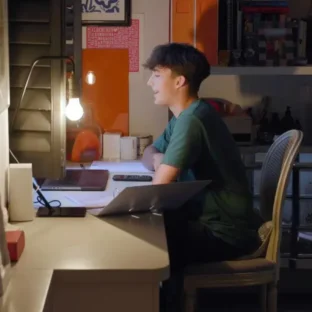
Our approach focuses on supporting the whole person – mind, body, and soul. At Lions Campus, we recognise that each young person with ASD experiences the world differently, and lasting growth comes from addressing not just behaviours but emotional, social, and cognitive needs together.
We combine structured guidance, mindfulness practices, and structured routines with life skills coaching. This integrated approach helps young people improve communication, manage stress, navigate social situations, and build confidence in everyday tasks.
By fostering a structured and supportive environment, we empower children and young people with ASD to embrace their strengths, develop independence, and navigate life with confidence.
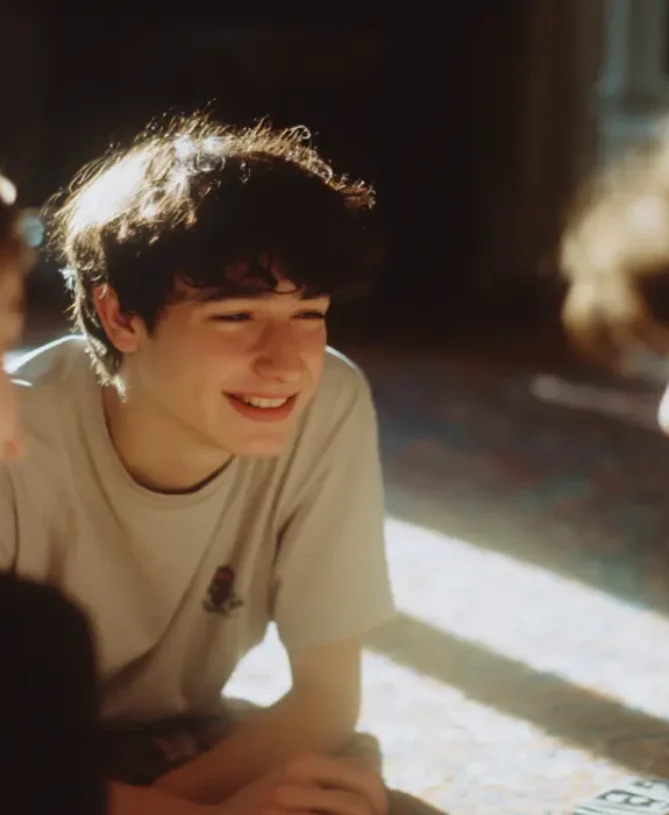

Our dedicated team at Lions Campus works closely with each young person with ASD to provide personalised support and guidance. Our team includes programme specialists, mentors, educators, and wellbeing specialists, all collaborating to support emotional, social, and cognitive development.
We provide consistent live-in support, ensuring that guidance and encouragement are always available. This steady support helps young people feel safe, confident, and supported as they develop new skills, navigate challenges, and grow in independence.
With our compassionate and experienced team, every young person is empowered to embrace their strengths, navigate daily life with greater confidence, and reach their full potential.
At Lions Campus, we know that every young person with ASD has unique strengths and challenges. Our ASD support programmes are designed to meet these individual needs, providing personalised support that helps each participant grow and thrive. Our programmes include:
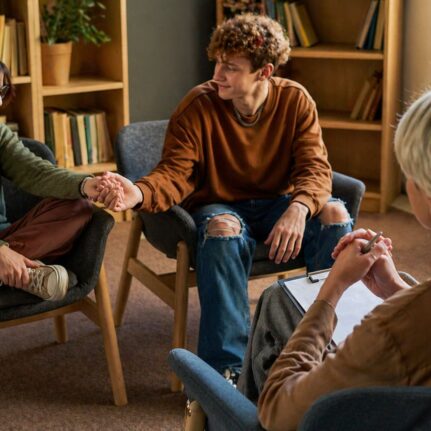
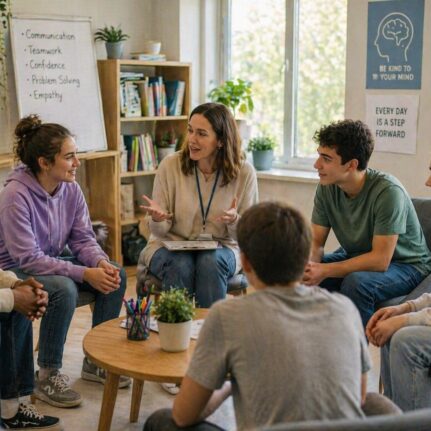

By offering tailored programmes, we ensure every young person receives the right level of support, helping them embrace their strengths, build confidence, and succeed in all areas of life.

ASD is influenced by a combination of genetic, neurological, and environmental factors that affect brain development.
While there is no cure for ASD, support programmes can help improve communication, social skills, and independence.
Support is ongoing and personalised. The duration varies depending on individual needs and progress.
ASD is often identified in early childhood, typically between ages 2 and 6, although some individuals may be identified later.

At Lions Campus, every young person with ASD receives personalised support designed to help them thrive. Our ASD support programme offers tailored approaches, coaching, and consistent live-in support to improve social skills, communication, and independence.
Take the first step today. Contact us to schedule a consultation or assessment, and discover how our experienced team can help your child embrace their strengths, build confidence, and navigate daily life successfully.