Friends taking selfie outdoors

The Lions Campus Approach

Anxiety Disorder

We understand anxiety can feel overwhelming, often making it difficult to cope with daily life, education, work, friendships, and family relationships. At Lions Campus, we offer a fresh approach to recovery that focuses not only on reducing anxiety symptoms but also on building confidence, resilience, and long-term wellbeing.

Our world-class programmes are designed to empower adolescents and young people to take control of their lives and move forward with hope.

Lions Campus

What is Anxiety?


Anxiety is one of the most common and complex mental health conditions affecting young people. While mild anxiety can be a normal reaction to stress, when it becomes persistent, excessive, or uncontrollable, it can develop into a disorder that disrupts education, relationships, and daily wellbeing.

The root causes of anxiety are often multifaceted. On the surface, it may be linked to lifestyle factors such as sleep disruption, poor nutrition, or the pressures of academic performance. At a deeper level, unresolved trauma, family dynamics, internal belief systems, or ingrained thought patterns can play a significant role. Biological factors such as genetics, hormonal changes, and neurochemical imbalances may also contribute to the onset and persistence of anxiety.

At Lions Campus, we provide comprehensive mental health support for anxiety that addresses not only symptoms but also underlying causes. By combining expert wellbeing guidance, psychological insights, and personalised mentoring, we help young people regain their confidence and sense of calm. Our programmes are built around proven personal development methods—including mindfulness techniques, therapeutic coaching, and holistic lifestyle support—ensuring that every challenge is met with care and understanding.

In everyday terms, persistent worry or nervousness can feel overwhelming, making it difficult to focus on what matters. These feelings often manifest as restlessness or physical tension, making it hard to relax or concentrate. For young people, these hurdles can disrupt sleep, lead to a loss of interest in hobbies, or make school and social life feel daunting. We provide the tools and strategies to help them navigate these moments and get back to being themselves.


Arrange A Call
Teenagers taking part in an outdoor group activity together

Lions Campus

Types of Anxiety Disorder

Our Anxiety Disorders support programmes are designed to support young people struggling with different forms of anxiety. These may include:

  • Generalised Anxiety Disorder (GAD):Persistent, excessive worry about everyday life.
  • Social Anxiety Disorder: Intense fear of social interactions, public speaking, or being judged.
  • Panic Disorder: Recurrent panic attacks accompanied by physical symptoms such as chest pain or dizziness.
  • Phobias: Extreme and irrational fears of specific objects, places, or situations.
  • Health Anxiety & Obsessive Thinking: Constant fear of illness or intrusive, repetitive worries.

Anxiety is often linked to other mental health issues. Many young people with anxiety also struggle with depression, substance abuse, eating disorders, or obsessive-compulsive behaviours. These issues can make each other worse, creating a cycle that increases suffering and slows recovery.

By addressing the patterns of worry and the root causes of avoidance, we help young people break the cycle of withdrawal. Our approach focuses on tangible life changes: re-engaging with school or university, strengthening social relationships, and rebuilding self-esteem.

We provide the practical tools needed to trade hesitation for confidence, ensuring young people don’t just feel better, but have the foundation to thrive in their education and friendships.

Symptoms of Anxiety

Anxiety affects every young person differently, but there are clear signs that may indicate when it has developed into a disorder. These symptoms can be emotional, physical, and behavioural, often overlapping to disrupt daily life. Recognising them early is the first step toward effective support.

  • Psychological symptoms of anxiety may include:

    • Persistent worry, fear, or a sense of dread.
    • Racing thoughts or an inability to “switch off.”
    • Difficulty concentrating or making decisions.
    • Feelings of restlessness or being constantly “on edge.”
    • Irritability or frustration, even over small matters.
  • Physical symptoms of anxiety may include:

    Physical symptoms of anxiety
    • Rapid heartbeat or palpitations.
    • Shortness of breath, chest tightness, or dizziness.
    • Sweating, trembling, or shaking.
    • Headaches, stomachaches, or muscle tension.
    • Fatigue, low energy, or difficulty sleeping (insomnia, nightmares, or disrupted rest).
  • Behavioural symptoms of anxiety may include:

    Sad woman sitting alone in darkness
    • Avoidance of stressful or social situations.
    • Withdrawal from friendships, family, or school activities.
    • Reduced productivity or difficulty completing everyday tasks.
    • Nervous habits such as nail biting, pacing, or fidgeting.
    • Over-reliance on reassurance or compulsive checking behaviours.

For adolescents and young adults, these symptoms often mean falling behind at school, struggling to maintain friendships, or feeling unable to cope with daily responsibilities. Without support, anxiety can intensify over time and lead to other mental health challenges such as depression or substance use.

Woman meditating at sunset (peace / mindfulness)
Young woman smiling

Our Approach

Mind, Body & Soul

At Lions Campus, we support young people in navigating worry and stress through a fully integrated model that considers their psychological, emotional, and lifestyle needs. We understand that no two journeys are alike, which is why every programme is uniquely shaped around the individual rather than a one-size-fits-all approach.

Your Journey Starts with an Intake Assessment. Every journey begins with a detailed Intake Assessment. This allows us to ensure programme suitability and gain a deep understanding of the factors—whether lifestyle, environmental, or personal—that may be contributing to a young person’s challenges. From this foundation, we collaborate to set clear goals and build a bespoke support plan that is both targeted and flexible.

Integrated Wellbeing Support. Each plan brings together a blend of group work, therapeutic coaching, and holistic practices. By combining strategies like mindfulness, restorative mentoring, and creative outlets such as art or yoga, we work in harmony to restore balance. This multi-layered approach helps young people move beyond hesitation and toward re-engaging with school, university, and social life.

Continuous Growth Progress is an evolving journey. Through ongoing evaluation and proactive planning, we ensure that goals remain relevant and that every individual receives the right level of encouragement at every stage. Our model provides young people with the foundation to rebuild their self-esteem, cultivate resilience, and step into a more confident future.

Girl reading a book by window
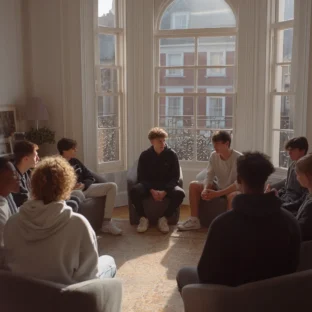
Young people sitting together in a group discussion

Lions Campus

Tailored Programmes as Unique as Your Needs

At Lions Campus, we recognise that no two young people experience anxiety in the same way. That is why we offer a range of tailored anxiety support programmes designed to meet different levels of need and personal circumstances.

We provide support for anxiety and any co-occurring mental health challenges. Depending on individual circumstances, young people may take part in:

      Residential Programme for Adolescents & Young Adults
      Day Programme for Adolescents & Young Adults
      Coaching & Mentorship

Our programmes prioritise privacy, flexibility, and personalisation, ensuring that every young person receives the right support in the way that works best for them.

Teenage girl and boy talking and smiling together

FAQs About Anxiety Disorder

  • What types of anxiety disorders do you support at Lions Campus?

    We support a wide range of anxiety conditions, including generalised anxiety disorder, social anxiety, panic disorder, phobias, health anxiety, and obsessive thinking.

  • Will everything remain confidential and private?

    Yes. Privacy and confidentiality are central to our approach. Families and young people can feel reassured that their information is handled with the utmost discretion.

  • How do I know if my child’s anxiety needs professional support?

    It’s normal for young people to feel anxious sometimes, but if anxiety is affecting daily life—such as school, sleep, friendships, or family activities—it may be time to seek professional support.

  • What age group does Lions Campus support?

    We specialise in helping adolescents and young adults aged 14-25. Our anxiety support programmes are tailored to the unique challenges young people face as they grow, learn, and prepare for the future.

  • Will my child’s education continue during Support?

    Yes. At Lions Campus, we place strong emphasis on education alongside recovery. We work both with schools and our sister company Lionheart Education, to provide bespoke education plans that allow young people to continue working on their education whilst recovering their mental health. 

  • Can anxiety come back after support?

    Anxiety can return if triggers resurface, but with the right coping skills and aftercare, young people are far better equipped to manage challenges and maintain balance in their lives.

  • Can anxiety disorders be fully treated?

    With the right strategies, many young people see significant improvement and learn how to manage anxiety long term. Early intervention increases success.

  • Is your programme flexible?

    Yes. Our programme is made to fit each person’s needs. As goals or challenges change, the support can be adjusted to keep progress moving forward.

Person walking alone in desert

Start Recovery with Our Anxiety Disorder Support

If your child is struggling with anxiety, you don’t have to face it alone.

Contact  Lions Campus in confidence to speak with our team, learn more about our Anxiety Support Programmes, and explore how we can support your family.

Begin Your Journey