Youth wellbeing discussion session

The Lions Campus Approach

Support for Self-Harm and Emotional Challenges

We understand that sometimes self-harm can feel like the only way to cope with overwhelming emotions. It often leaves young people feeling trapped in cycles of secrecy, shame, and isolation. At Lions Campus, we take a compassionate and supportive approach—one that goes beyond treating the behaviour itself and focuses on healing the root causes, building resilience, and restoring a sense of hope and purpose.

Our self-harm support programmes are designed to help adolescents and young people rediscover healthier coping strategies, regain confidence, and take meaningful steps towards lasting positive progress. 

Lions Campus

What is Self-harm?

Self-harm, also known as self-injury or non-suicidal self-injury (NSSI), involves deliberately hurting one’s own body as a way to cope with overwhelming emotions, stress, or inner pain. For many young people, self-harm becomes a temporary outlet for emotions that feel too difficult to express in words. While it may provide short-lived relief, the behaviour often leads to deeper emotional distress, secrecy, shame, and serious physical consequences.

The reasons behind self-harm are highly individual and rarely straightforward. In most cases, it is a response to multiple internal and external pressures that create a sense of being unable to cope. These may include:

      Past trauma or abuse – including bullying, neglect, or experiences of physical, sexual, or emotional harm.

      Intense emotions – such as guilt, anger, sadness, emptiness, or loneliness that feel overwhelming and unmanageable.

      Struggles with identity and self-worth – difficulties with body image, self-esteem, or feeling disconnected from one’s sense of self.

      Underlying mental health conditions – depression, anxiety, eating disorders, obsessive thoughts, or post-traumatic stress often appear alongside self-harming behaviours.

      Life pressures – academic stress, friendship breakdowns, or family conflict can push young people towards harmful coping mechanisms.

      Difficulty communicating emotions – when words feel too hard, unsafe, or inadequate, physical actions may become a substitute for emotional expression.

At Lions Campus, we understand that self-harm is not just a behaviour to be “stopped,” but a sign of deeper unmet needs. That’s why our approach goes beyond the behaviour itself. We look at the wider picture — emotional, social, and lifestyle factors — to help young people develop healthier ways of responding, build resilience, and reconnect with themselves in a more positive and supportive way.


Arrange A Call
ADHD counselling support session
Adolescent 1 to 1 guidance

Lions Campus

Types of Self-harm

Self-harm can take many forms, some visible and others hidden. Our Self-harm support programmes support young people experiencing:

  •       Cutting or scratching: Deliberately injuring the skin.
  •       Burning or hitting: Using objects or actions to cause pain.
  •       Interfering with wounds: Preventing injuries from healing.
  •       Risk-taking behaviours: Engaging in reckless acts with the intention of harm.
  •       Substance misuse or eating disorders: Using food, alcohol, or drugs in self-destructive ways.

Self-harm is often linked with other mental health challenges, including depression, anxiety, obsessive behaviours, and suicidal thoughts. These issues can feed into each other, creating cycles of distress. By focusing on both the behaviours and underlying factors, we help young people move forward with greater confidence and develop healthier ways of responding

Signs and Symptoms of Self-harm

Noticing when a young person is self-harming can be hard. Many try to hide their injuries because of fear, shame, or worry about others’ reactions. Parents, teachers, and friends might first see small changes in mood, behaviour, or appearance before clear signs of self-injury. Knowing these warning signs early can help give the right support.

  • Emotional Symptoms

    Emotional signs of self-harm are often the most subtle, but they can provide valuable insight into a young person’s inner world. These may include:

    young man thoughtful indoor reflection
    • Intense feelings of shame, guilt, or self-loathing after harming themselves.
    • Difficulty putting emotions into words, often bottling up feelings until they become overwhelming.
    • Frequent expressions of hopelessness, worthlessness, or believing they are a “burden.”
    •  Heightened irritability or mood swings that appear disproportionate to the situation.
    • A strong sense of being disconnected from others or feeling misunderstood.
  • Physical Symptoms

    Physical indicators can sometimes be easier to spot, but they are often concealed by clothing or explained away as accidents. Warning signs may include:

    Adolescent one to one guidance
    • Frequent, unexplained cuts, scratches, burns, or bruises.
    • Injuries that appear in similar patterns or recur in the same areas of the body.
    • Wearing long sleeves or trousers even in very hot weather to cover marks.
    • Use of accessories like wristbands or plasters as a way to hide wounds.
    • Slow-healing injuries or repeated infections from interfering with wounds.
    • Blood stains on clothing, tissues, or bedding without clear explanation.
  • Behavioural Symptoms

    Changes in behaviour often signal that a young person is struggling with underlying distress. These may include:

    Young woman journaling in sunlight
    • Withdrawal from family, friends, or activities once enjoyed.
    • Avoiding social interactions, sports, or physical activities that might expose injuries.
    • Spending long periods alone in their bedroom or bathroom.
    • Secretive or defensive behaviour when asked about injuries or emotional wellbeing.
    • Development of rigid routines or harmful rituals as a way to cope with stress.
    • Increased reliance on substances, food restriction, or other destructive behaviours.
    • Difficulty concentrating on schoolwork or a noticeable decline in academic performance.

Lions Campus

Why Early Intervention Matters

If self-harm is not addressed early, it can get worse. What starts as rare acts may turn into a regular way of coping, leading to more frequent and severe harm. This can cause lasting scars, infections, and deeper feelings of sadness or isolation. In some cases, it may even lead to suicidal thoughts.

Recognising the signs early and showing care can help young people access the right support and guidance before patterns become more difficult to change. At Lions Campus, we focus on supporting both the behaviour and the underlying factors, helping young people take positive steps forward with understanding.

Arrange A Call
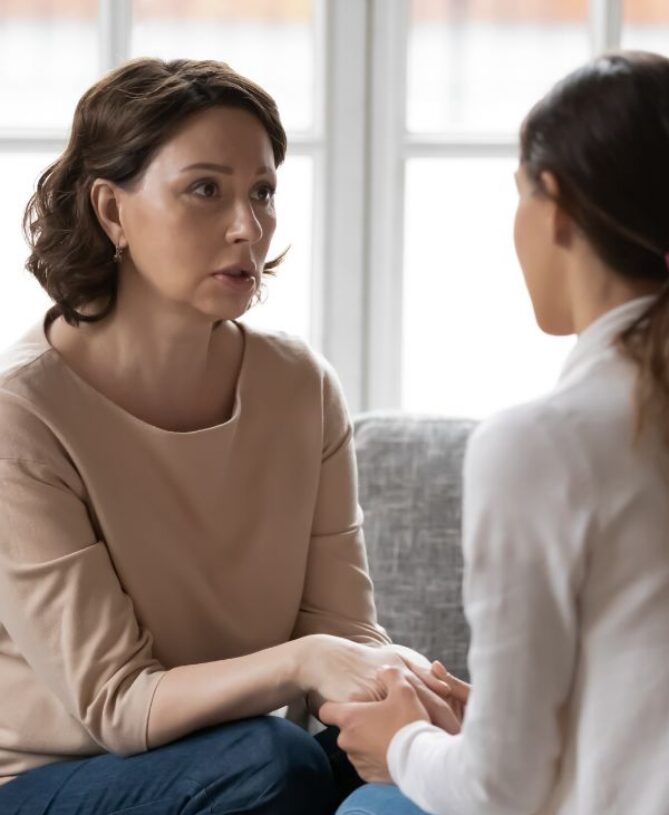
Woman speaking and holding hands with another person during a one-to-one session
hopeful conversation session

How We Support Self-harm

At Lions Campus, we provide a structured and supportive environment where young people can begin making positive changes with dignity and confidence. Each programme is tailored to the individual, ensuring that their unique experiences, triggers, and needs are understood and respected.

Our self-harm support programmes combine structured support, coaching, and wellbeing-focused approaches to address different aspects of a young person’s experience:

  • One-to-one sessions – helping young people build resilience and develop positive behaviours
  • Wellbeing-focused approaches – supporting emotional balance and stability
  • Nutritional support and guidance – helping restore balance between mind and body.
  • Mindfulness – teaching healthier coping strategies.
  • Creative and movement-based activities – such as art, yoga, and drama, to support emotional expression.

For young people experiencing ongoing challenges, we provide enhanced and personalised support, combining guidance, structure, and practical tools to help them move forward with confidence.

Smiling young woman relaxing at home
Woman sitting peacefully by lake (mindfulness)

Our Approach


Healing Beyond the Harm: A Whole-Person Approach

We see progress with self-harm as more than simply reducing harmful behaviours. It involves supporting the mind, body, and overall wellbeing so that young people can build resilience, strengthen self-worth, and develop healthier ways of responding. Every journey is unique, which is why our approach is never one-size-fits-all. Each programme is personalised to meet the specific needs of the individual, recognising their experiences, challenges, and future goals.

Our programmes bring together a range of wellbeing-focused approaches and structured support methods that complement one another. These include mindfulness, nutritional guidance, and creative or movement-based activities such as yoga. Together, these approaches support positive routines, emotional balance, and more helpful patterns of behaviour.

We provide regular reviews and adapt each programme as progress develops. This ensures that young people receive the right level of support at every stage, helping them build confidence and move forward in a positive and sustainable way.

Friendly conversation in cozy home
Adolescent 1 to 1 guidance

Our Team

A Team Committed to Your Progress

At Lions Campus, a compassionate and experienced team works together to provide consistent support and guidance. Our team includes programme specialists, educators, and mentors, ensuring that different aspects of each young person’s development are supported with attention.

One of the unique aspects of our programme is the presence of live-in support staff, available to offer reassurance, guidance, and consistent support. We also work alongside external registered specialists where appropriate, ensuring each programme is shaped around individual needs.

Our wider network includes experienced professionals and external specialists who bring valuable insight and guidance. With their combined experience and dedication, our team provides not only support but also the consistency and encouragement needed for lasting positive progress.

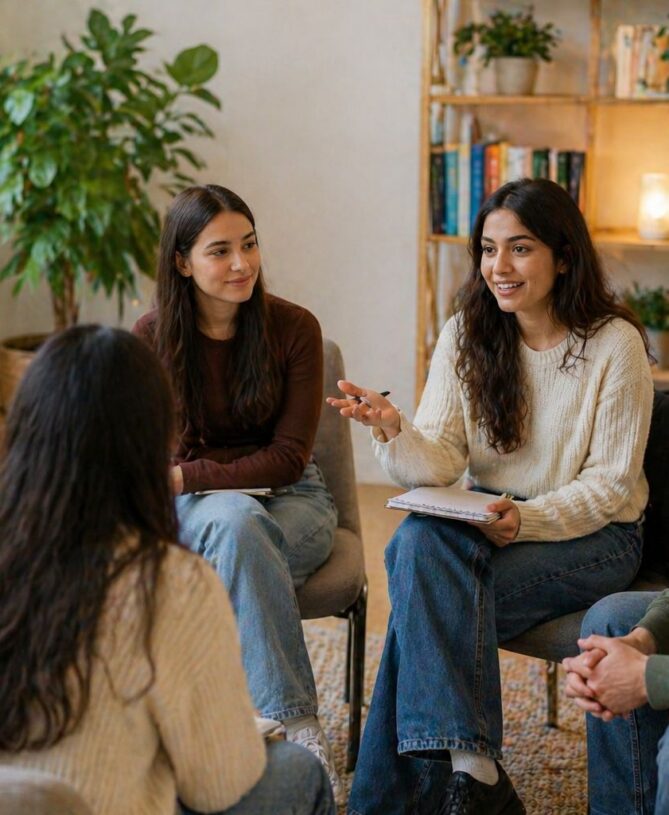
Youth group support discussion
Woman speaking and holding hands with another person during a one-to-one session

Personalised Programmes for Self-harm Support

We understand that every young person’s experience of self-harm is different. The reasons behind the behaviour, the severity, and the support needed all vary from one individual to another. That’s why we design Self-harm support programmes that are flexible, highly personalised, and built around the unique needs of each young person and their family.

Our programmes also consider any overlapping emotional or behavioural challenges, such as depression, anxiety, eating disorders, or substance use, ensuring that the wider picture is supported. Depending on circumstances, young people may join:

  • Residential Programme for Adolescents and Young Adults – providing a structured and supportive environment with consistent, live-in support.
  • Day Programme for Adolescents and Young Adults – offering structured support and guidance while allowing continued connection with home and school life.
  • Coaching & Mentorship – one-to-one guidance to build resilience, practical ways of responding, and long-term confidence.

All of our programmes are designed with privacy, compassion, and flexibility at their core. This ensures that each young person receives the right support in the right way, helping them build confidence and move forward towards a more positive and balanced future.

Spotlight on Self-harm

For families and young people wanting to learn about self-harm and positive progress, our articles and resources offer clear guidance, helpful insights, and support for the journey ahead. Explore now:

young adult focused study desk

Arrange A Call

Supportive conversation with young adult

FAQs About Self-harm Support

  • What approaches are most helpful for self-harm?

    Structured support, coaching, and wellbeing-focused approaches can be helpful, alongside mindfulness, creative activities, and movement-based practices.

  • Are different approaches suitable for self-harm?

    Different approaches can support young people in different ways. Some focus on understanding thoughts, while others support emotional awareness and practical ways of responding.

  • How can someone manage self-harm urges?

    Young people can try safer alternatives such as holding an object, drawing, journaling, listening to music, breathing exercises, or reaching out to someone they trust. These can help create space for the feeling to pass.

  • Are self-harm urges stronger at night?

    Yes, many people notice urges are stronger at night when they are alone or feeling tired. Having calming routines, journaling, or relaxation techniques can help during these times.

  • Is self-harm the same as being suicidal?

    No. Self-harm is usually a way to cope with emotional pain, not to end life. However, it can sometimes lead to suicidal thoughts, so support is important.

  • Is self-harm more common in girls or boys?

    Self-harm is seen in both girls and boys. Girls often show more visible behaviours like cutting, while boys may hide it with risk-taking actions. Both need the same support.

  • What makes Lions Campus different?

    We offer a structured and supportive environment, combining consistent guidance, personalised programmes, and live-in support staff, alongside input from external registered specialists where appropriate.

Lions Campus

Begin the Journey Towards Positive Change

Self-harm does not define who your child is — it is a response to difficult emotions that can be supported with the right guidance. At Lions Campus, we provide structured programmes that focus on understanding underlying factors while helping young people develop healthier ways of responding.

Our compassionate team is here to support your family with sensitivity and privacy. Taking action today can help your child build confidence and move forward in a more positive direction.

Reach out to Lions Campus to learn more about our self-harm support programmes and take the first step towards change.

Arrange A Call
Sunset over calm ocean horizon

Support for a Brighter Future

At Lions Campus, we believe progress is about more than reducing self-harm — it’s about building resilience, strengthening self-worth, and creating a healthier future. Through consistent support, we help young people develop the tools they need to move forward with confidence.

Families are never alone in this process. Our dedicated team provides thoughtful guidance and support, always respecting privacy and dignity. Today could be the beginning of meaningful, lasting progress.

Reach out to Lions Campus in confidence to explore how our self-harm support programmes can support your family moving forward.

Begin Your Journey