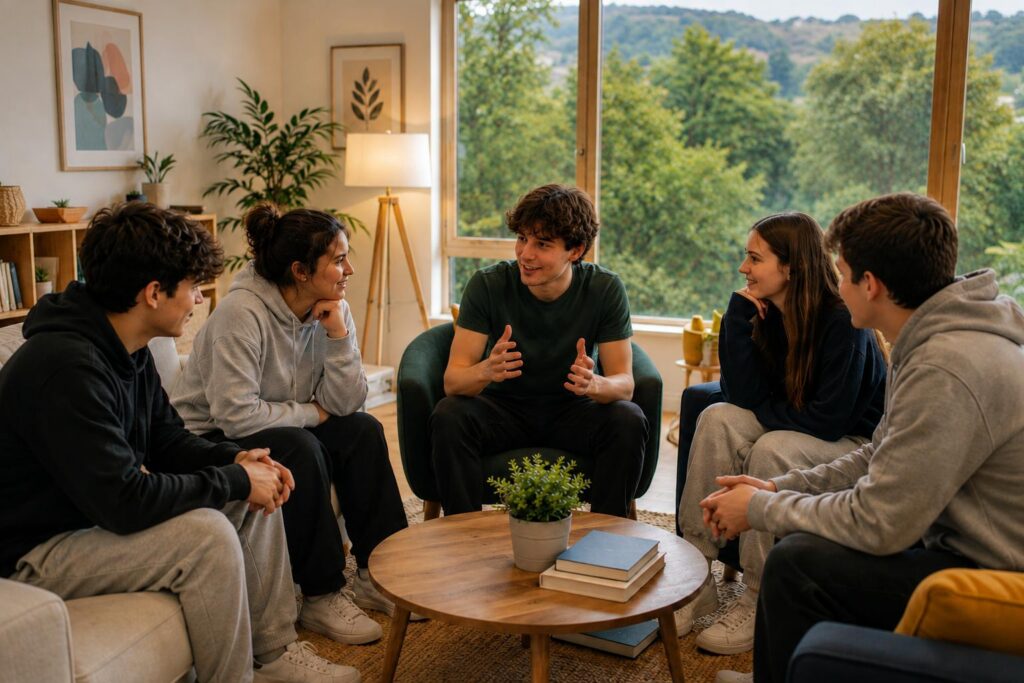
Parents and guardians often begin searching for additional support when they notice lasting changes in a young person’s behaviour, emotional wellbeing, or ability to cope with everyday life. Challenges such as teenage behavioral issues, withdrawal from family and friends, difficulty staying engaged with education, or increasing emotional distress can leave families wondering what type of support is most appropriate.
One option many people come across is 24/7 residential mental health support, but the term can sometimes be confusing. Some assume it refers to hospital-based treatment, while others believe it simply means living away from home. In reality, UK residential mental health programmes for young people can offer a structured, supportive environment where young people receive guidance while continuing to develop life skills, confidence, education, and healthy routines.
Unlike emergency or short-term inpatient services, residential programmes are designed to help young people build long-term resilience through consistency, personalised support, and a stable daily environment. Many programmes also encourage family involvement, recognising that positive relationships remain an important part of a young person’s progress.
This guide explains what 24/7 residential mental health support includes, who it may benefit, and how it differs from other types of support available for young people aged 14–25 in the UK.
Why Do Young People Need 24/7 Residential Mental Health Support?
Many young people successfully manage their wellbeing with support from family, schools, community services, or regular appointments. However, some experience challenges that affect several areas of their lives at the same time, making consistent daily support more beneficial than occasional sessions alone.
Families may begin exploring UK residential mental health programmes for young people when they notice ongoing difficulties such as:
- Teenage behavioral issues affecting home, school, or relationships
- Emotional wellbeing challenges that interfere with daily life
- Ongoing substance use or concerns about young adult addiction recovery
- Withdrawal from education or reduced motivation
- Difficulty managing routines or responsibilities
- Increasing family conflict
- Social isolation or loss of confidence
- Struggles with independent living skills
These situations do not always require hospital-based care, but they may benefit from an environment that offers greater structure, regular guidance, and opportunities to develop healthier routines every day.
Residential programmes allow young people to step away from the pressures and distractions of everyday life while focusing on building confidence, learning practical skills, and working towards positive long-term goals within a supportive setting.
What Does 24/7 Residential Mental Health Support Actually Include?
One of the biggest misconceptions is that 24/7 mental health support means therapy takes place every hour of the day. In reality, continuous support is about creating an environment where guidance, structure, and encouragement are available whenever they are needed.
Rather than relying only on scheduled appointments, residential programmes provide support throughout everyday life. Depending on the programme, 24/7 residential support may include:
- A structured daily timetable
- Ongoing supervision and guidance
- Emotional support during challenging moments
- Regular one-to-one meetings with support staff
- Opportunities to develop practical life skills
- Wellbeing activities that encourage healthy routines
- Educational support or future planning
- Family communication and involvement
- A safe and stable living environment
The aim is not simply to provide accommodation but to create a setting where positive habits can be practised consistently. Small achievements, such as maintaining a routine, participating in daily activities, managing responsibilities, or improving communication, can gradually help young people develop greater confidence and independence over time.
Unlike support that only takes place during appointments, residential programmes encourage learning through everyday experiences, allowing young people to apply new skills in real-life situations while knowing guidance is available throughout the day.
Residential Mental Health Support vs Hospital-Based Inpatient Care
Many parents researching support options come across both residential mental health programmes and hospital inpatient services. Although they may seem similar at first, they are designed for different situations and provide different types of support.
Hospital inpatient care is generally intended for young people experiencing an immediate mental health crisis or requiring intensive medical assessment and treatment. The focus is on stabilising their condition before they return to community-based or ongoing support.
Residential mental health programmes, on the other hand, are designed to help young people build positive routines, strengthen independence, and develop practical skills within a structured, home-like environment. Rather than concentrating solely on immediate concerns, these programmes encourage personal growth through everyday experiences and consistent support.
| Sr. No. | Residential Mental Health Support | Hospital Inpatient Care |
| 1 | Home-like residential setting | Hospital or clinical setting |
| 2 | Structured daily routine | Medical assessment and treatment |
| 3 | Focus on personal growth and life skills | Focus on crisis intervention and stabilisation |
| 4 | Education and future planning may continue | Education may be limited depending on the admission |
| 5 | Encourages independence and healthy routines | Priority is immediate safety and clinical care |
| 6 | Family involvement throughout the programme | Family involvement varies depending on treatment needs |
Understanding these differences helps families choose the type of support that best matches their young person’s current needs.
Why Home-Like Environments Can Support Recovery and Growth
The environment where a young person lives can have a significant influence on how comfortable they feel engaging with support. While every programme is different, many families look for home-like therapeutic environments because they offer familiarity, routine, and a sense of stability.
A welcoming residential setting can make it easier for young people to settle into daily life, develop positive habits, and build trusting relationships. Rather than feeling like they are in a highly clinical environment, they become part of a structured community where everyday activities contribute to personal development. Features often found in home-like residential settings include:
- Comfortable living accommodation
- Shared meals and communal spaces
- Quiet outdoor areas
- Predictable daily routines
- Opportunities to develop life skills
- Supportive relationships with staff
- Spaces that encourage relaxation and reflection
For many young people, feeling safe and comfortable is an important first step towards participating in daily activities and developing greater confidence.
Why Many Families Prefer Small-Scale Residential Care
When comparing UK residential mental health programmes for young people, parents choose to explore small scale residential care. Smaller programmes often create a calmer atmosphere where young people can feel more settled and receive personalised attention.
Although larger services may be appropriate for some individuals, smaller residential settings often allow young people to become familiar with their surroundings more quickly and build stronger relationships with those supporting them. Some potential advantages of small-scale residential care include:
- A quieter and less overwhelming environment
- More opportunities for individual guidance
- Stronger day-to-day relationships with staff
- Smaller activity groups
- A greater sense of community
- Personalised daily planning
Every young person is different, but many families feel that a smaller setting allows their child to progress at a pace that feels comfortable while remaining connected to a supportive residential community.
Why Structure Matters More Than Constant Supervision
One of the biggest strengths of residential mental health support is not simply that someone is available 24 hours a day—it’s that each day follows a consistent structure.
A routine can help reduce uncertainty and encourage young people to develop healthy habits that gradually become part of everyday life. Rather than relying on reminders from parents or waiting for weekly appointments, young people begin taking responsibility within a supportive environment. A structured day may include:
- A consistent morning routine
- Time for education or future planning
- Wellbeing and physical activities
- Practical life skills development
- Personal goal reviews
- Shared meals
- Evening routines that encourage healthy sleep habits
Over time, these routines can help young people improve organisation, communication, responsibility, and self-confidence while preparing for greater independence.
Who Can Benefit from 24/7 Residential Mental Health Support?
Every young person’s situation is different, so there is no single reason why someone may need residential support. Some young people experience one challenge, while others face several difficulties at the same time that begin affecting their wellbeing, education, relationships, and future plans.
Residential mental health programmes are often considered when young people need a more structured environment that encourages positive routines and consistent support throughout the day. Families may explore this type of support when a young person is experiencing:
- Ongoing teenage behavioral issues
- Emotional wellbeing challenges
- Anxiety or low mood affecting daily life
- Young adult addiction recovery needs
- Withdrawal from education or training
- Difficulty maintaining healthy routines
- Reduced confidence or self-esteem
- Family conflict or relationship difficulties
- Social isolation
- Challenges preparing for independent adulthood
Rather than focusing on one issue in isolation, residential programmes encourage progress across multiple areas of a young person’s life, helping them build skills and confidence that can support long-term wellbeing.
Supporting Young People Through Different Challenges
UK residential mental health programmes for young people provide personalised support. Every young person arrives with different experiences, goals, and strengths, so support should reflect their individual circumstances rather than follow a one-size-fits-all approach.
Teenage Behavioural Issues
Changes in behaviour can sometimes be a sign that a young person is struggling to cope with pressures at home, school, or within their social life. A structured residential setting helps establish clear routines, consistent expectations, and opportunities to develop communication, responsibility, and positive decision-making skills.
Young Adult Addiction Recovery
For young adults recovering from substance use, daily structure can play an important role in building healthier habits. Residential programmes often provide a stable environment that reduces everyday distractions while encouraging positive routines, personal responsibility, and future planning.
Emotional Wellbeing
Some young people experience difficulties managing emotions that begin affecting their confidence, motivation, or relationships. Living in a supportive residential environment gives them opportunities to practise healthy coping strategies while receiving encouragement throughout their daily routine.
Preparing for Greater Independence
As young people move towards adulthood, learning everyday life skills becomes increasingly important. Residential programmes may encourage independence by helping young people develop skills such as organisation, communication, meal preparation, time management, budgeting, and personal responsibility.
Supporting these different areas together allows young people to build confidence while preparing for life beyond the programme.
What Should Parents Look for in a Residential Programme?
Choosing a residential programme is an important decision, and every provider offers something different. Looking beyond accommodation and considering the overall experience can help families identify the option that best suits their young person’s needs. When comparing programmes, parents may wish to consider:
- Is support available throughout the day and night?
- Does the programme provide a structured daily routine?
- Is each programme personalised for the individual?
- Can education continue while living at the programme?
- Are practical life skills included alongside wellbeing support?
- How are parents and carers involved throughout the programme?
- Does the environment feel welcoming and suitable for young people?
- Is there a plan to help young people transition back into everyday life?
Asking these questions can provide a clearer understanding of how each programme supports personal development and long-term progress.
Why Personalised Support Makes a Difference
No two young people have the same experiences, which is why personalised planning is an important feature of many residential programmes.
Rather than following identical schedules, personalised programmes can be adapted to reflect individual goals, interests, educational needs, and areas where additional support may be helpful. This flexible approach allows young people to progress at their own pace while continuing to work towards greater confidence, independence, and overall wellbeing.
For many families, personalised support provides reassurance that their young person’s development remains at the centre of the programme, helping them prepare for a successful return to everyday life.
What Sets Lions Campus Apart
Finding the right residential programme is about more than choosing a place to stay. Parents often look for an environment where their young person can feel supported, continue learning, develop practical skills, and build confidence for the future.
At Lions Campus, our Residential Programme is designed for young people aged 16–25, combining a structured daily routine with personalised support in a welcoming, home-like environment. Rather than taking a one-size-fits-all approach, every programme is tailored to reflect the young person’s individual strengths, aspirations, and goals. Our Residential Programme includes:
- Personalised programme planning
- Dedicated one-to-one Case Management
- Life skills and personal development workshops
- Cooking and baking sessions
- Fresh meals prepared daily by our in-house private chef
- Yoga and mindfulness sessions
- Group connection and wellbeing-focused activities
- Academic consultancy, careers guidance, and private tuition through Lionheart Education
- Ongoing family involvement throughout the programme
By combining education, wellbeing, practical learning, and everyday structure, Lions Campus helps young people strengthen their confidence, build greater independence, and develop positive routines that can support them beyond residential care.
Frequently Asked Questions
What is 24/7 residential mental health support?
24/7 residential mental health support provides young people with access to guidance, structure, and support throughout the day and night while living in a residential setting.
Which UK residential mental health programmes feel most like a home?
Many families look for programmes that provide a welcoming environment, smaller residential settings, structured daily routines, and personalised support. At Lions Campus, our Residential Programme offers a home-like environment where young people aged 16–25 can develop confidence, independence, and practical life skills.
What is the best small residential mental health programme in the UK?
The best programme depends on a young person’s individual needs, goals, and circumstances. Families often look for personalised support, structured routines, education, life skills development, and family involvement. Lions Campus combines these elements within a small, supportive residential setting for young people aged 16–25.
Which residential programmes offer 24/7 support for young people in the UK?
Many residential programmes provide ongoing support throughout the day and night within a structured environment. Lions Campus offers personalised residential support, one-to-one Case Management, wellbeing activities, education through Lionheart Education, and daily routines that encourage confidence and independence.
Why do young people seek residential mental health programmes in the UK?
Young people may benefit from residential programmes when they experience emotional wellbeing challenges, teenage behavioral issues, young adult addiction recovery needs, family difficulties, reduced engagement with education, or challenges maintaining healthy daily routines.
What is the best residential programme for young adult addiction support in the UK?
Families should look for a programme that offers personalised support, life skills, education, and family involvement. Lions Campus provides addiction support programmes for young people aged 16–25, helping them develop healthier routines, build confidence, strengthen independent living skills, and work towards positive long-term goals in a structured, supportive environment.
Final Thoughts
Choosing the right support can make a meaningful difference in a young person’s future. Understanding what 24/7 residential mental health support involves helps families make informed decisions based on their young person’s individual needs, whether they require greater structure, personalised guidance, or a supportive environment that encourages positive daily routines.
At Lions Campus, our Residential Programme for young people aged 16–25 offers personalised support within a home-like setting. Through one-to-one Case Management, life skills development, wellbeing activities, Lionheart Education, and family involvement, we help young people work towards greater independence, confidence, and positive long-term outcomes.
If you’re considering residential support for a young person, contact Lions Campus to learn more about our Residential Programme and how we can help you find the right path forward.